Your Past Shaped You—But It Doesn’t Define You
Aug 24, 2026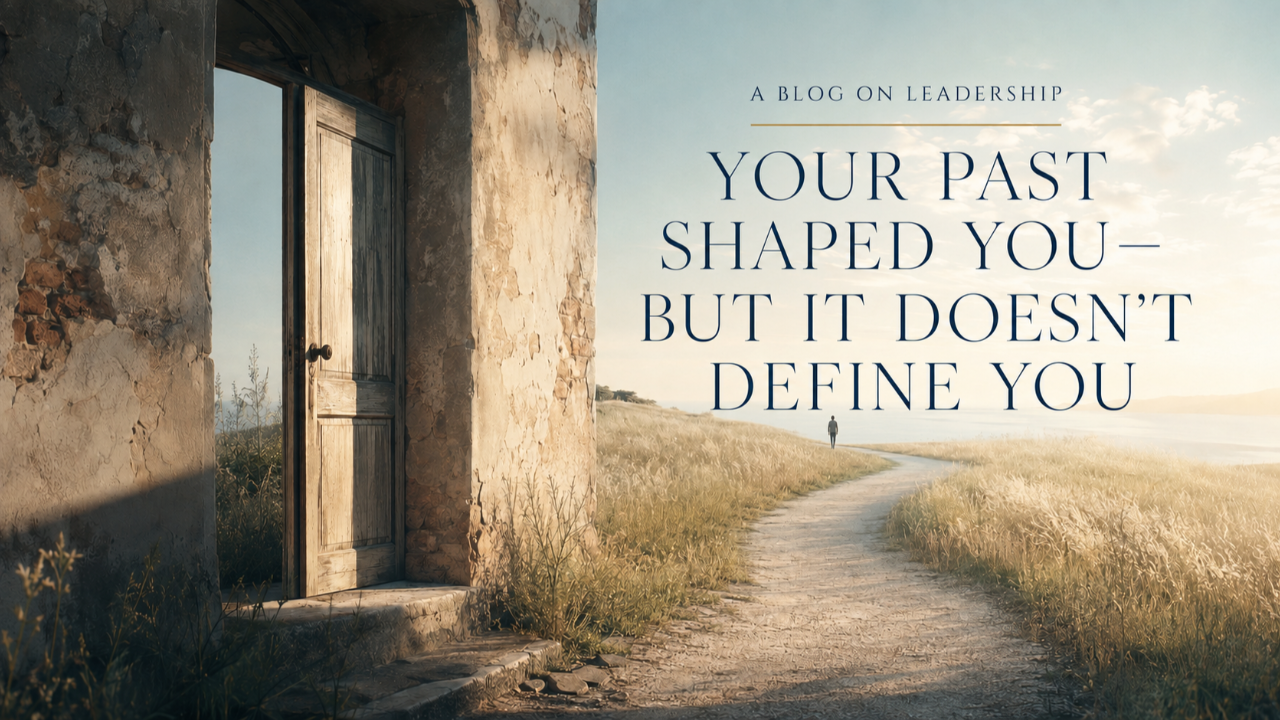
Our upbringing has a powerful influence on our lives. It helps shape our values, habits, expectations, and understanding of the world. The experiences we had growing up—both positive and negative—often affect the way we lead, build relationships, and respond to challenges.
However, there is an important difference between allowing your past to shape you and allowing it to define you.
When the Past Becomes a Limitation
Many people carry anger or disappointment from their upbringing long after they have left it behind. They may be angry about how they were raised, the opportunities they did not receive, or the people who failed to support them.
Those feelings are real, but when we allow them to control our decisions, they can take us further away from the future we want.
Sometimes the past becomes an excuse to lower our standards. We begin telling ourselves:
“This is all I will ever be.”
“I did not come from the right background.”
“No one in my family has ever done something like this.”
“I am not good enough to accomplish that.”
When repeated long enough, these thoughts become beliefs. Those beliefs can prevent us from taking risks, pursuing opportunities, or recognizing our potential.
Your past may help explain why you think a certain way, but it does not have to determine what you do next.
Discovering Your Individuality
Finding your individuality can be difficult because your upbringing has already influenced so much of your thought process. Becoming the person you want to be may require you to challenge beliefs you have carried for years.
In many ways, you must rewire how you see yourself.
That process will not always be comfortable. There may be people who continue reminding you of who you used to be. Others may question your goals, criticize your growth, or tell you that you are not capable of becoming something different.
“You can’t do that.”
“You’re not ready.”
“That’s not who you are.”
Those voices can be powerful—especially when they come from people who have known you for a long time. But their understanding of your past does not give them authority over your future.
You have to see yourself beyond who you are today and recognize who you are capable of becoming.
Take the Lessons Without Carrying the Weight
Moving beyond your past does not mean pretending it never happened. It does not mean ignoring the people, experiences, or challenges that shaped you.
It means choosing what you will carry forward.
Keep the lessons that gave you wisdom. Keep the challenges that developed your resilience. Keep the values that strengthened your character.
But release the anger, limitations, and expectations that are preventing you from moving forward.
Your upbringing should enhance the person you are becoming—not stop you from becoming that person.
Leadership Begins With Self-Awareness
This lesson is especially important for leaders. Every leader brings personal experiences into the way they communicate, make decisions, manage conflict, and respond to pressure.
A leader who has not examined the influence of the past may unintentionally repeat unhealthy patterns. They may lead from fear, avoid difficult conversations, struggle to trust others, or become defensive when challenged.
Self-awareness allows leaders to recognize those patterns and make intentional choices.
Instead of asking, “Why am I this way?” begin asking:
“Is this response helping me become the leader I want to be?”
“Am I reacting to this situation—or to something from my past?”
“What belief is influencing this decision?”
“What standard do I want to establish moving forward?”
Strong leadership does not require a perfect past. It requires the courage to understand your experiences without allowing them to control you.
Decide Who You Want to Become
You cannot change where you came from, but you can choose where you go next.
You are not limited to the expectations other people placed on you. You are not required to remain the same person you were years ago. You can develop new habits, establish higher standards, and create a different direction for your life.
Growth begins when you stop asking your past for permission to move forward.
Take responsibility for the person you are becoming. Be honest about the beliefs that are holding you back, and intentionally replace them with standards that reflect the future you want to create.
Your past shaped part of your story—but it does not get to write the ending.
Stay connected with news and updates!
Join our email list to receive the latest news and updates from the LHLN team!
We will never sell your information, for any reason.
